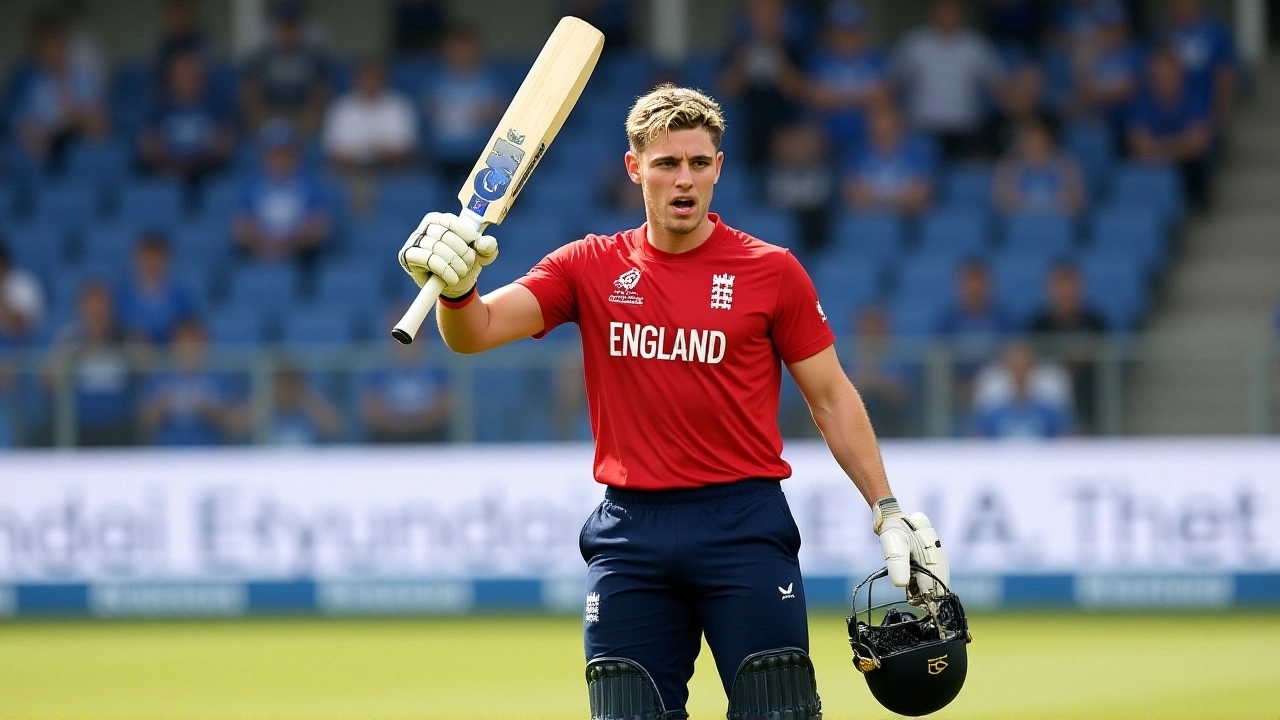
There’s a persistent rumor circulating in cricket circles suggesting that Royal Challengers Bangalore has found their next AB de Villiers. The claim hinges on a specific narrative: an Indian player scoring centuries across all three formats without a first-class century to his name. But here’s the twist—the data doesn’t quite support that headline. Instead, it reveals a fascinating tapestry of records held by players like Manish Pandey, Suresh Raina, and the recently celebrated Shubman Gill.
The confusion likely stems from mixing up domestic milestones with international achievements. While no current Indian star fits the "no first-class century" description perfectly while holding multi-format century records, the journey to these milestones is just as compelling.
The IPL Pioneer: Manish Pandey’s Historic Knock
To understand the RCB connection, we have to go back to April 18, 2009. It was the inaugural season of the Indian Premier LeagueCenturion, and the stakes were high for a young squad. In Centurion, South Africa, a then-unknown Manish Pandey walked out to bat against Deccan Chargers.
Pandey didn’t just score; he announced himself. He smashed 114 runs off just 73 balls, remaining not out. This wasn’t just any century—it was the first century scored by an Indian batsman in the history of the IPL. For RCB fans, this moment is legendary. It established Pandey as a key figure in the franchise’s early years and drew immediate comparisons to aggressive stroke-makers. Interestingly, while Pandey went on to have a solid career, including first-class centuries later, that specific IPL knock remains a pure T20 milestone.
International Firsts: Raina, Sharma, and Kaur
The narrative of "firsts" extends beyond the IPL. When looking at international T20 cricket, Suresh Raina holds the distinction of being the first Indian to score a century in a T20 International (T20I). On May 2, 2010, during the ICC T20 World CupWest Indies, Raina dismantled the South African attack to secure India’s place in the semi-finals. His innings was a masterclass in power-hitting under pressure.
Meanwhile, Rohit Sharma became the first Indian to score a century in domestic T20 cricket, showcasing his versatility long before he became the face of Indian batting. On the women’s side, Harmanpreet Kaur broke barriers as the first Indian woman to score a T20I century, a feat she accomplished with explosive intent in subsequent World Cups.
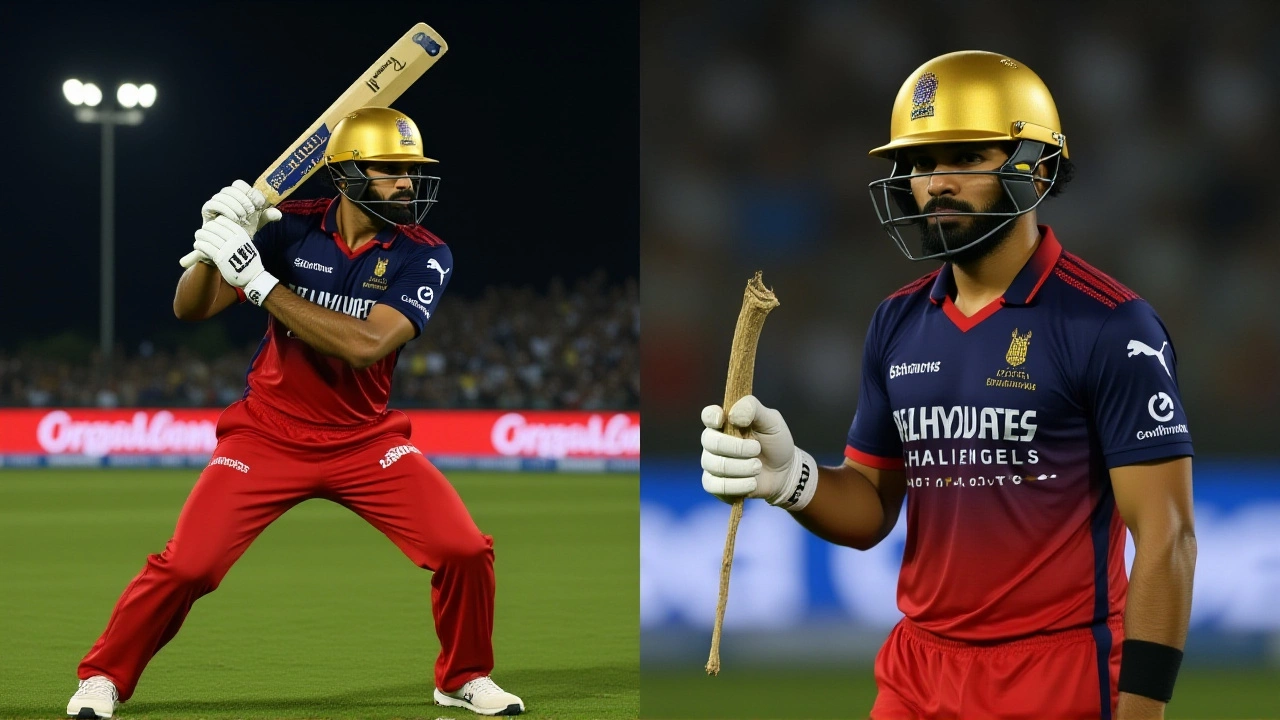
The Modern Era: Shubman Gill’s Triple Threat
Fast forward to the present day, and the conversation shifts to Shubman Gill. Recent reports highlight that Gill has joined an elite group of only five Indian batsmen to score centuries in all three international formats: Test, ODI, and T20I. This achievement is rare because it requires consistency across vastly different styles of play.
Gill’s rise has been meteoric. Unlike the early days of Pandey or Raina, Gill entered the professional circuit with a polished technique, quickly amassing first-class runs in Ranji Trophy cricket before exploding onto the international stage. His ability to adapt means he doesn’t rely on one format; he dominates them all. This versatility is what often draws comparisons to greats like AB de Villiers, who could switch between formats seamlessly.
Why the "No First-Class Century" Myth Persists
So where does the idea of a player scoring multi-format centuries *without* a first-class century come from? It’s likely a misinterpretation of how T20 leagues operate. Many modern stars, especially those who burst onto the scene via the IPL, spend less time in the grueling, multi-day first-class circuit compared to older generations. Players like Yuzvendra Chahal or spinners might not have many first-class runs, but for top-order batters like Gill or Pandey, first-class experience is usually part of their foundation.
The comparison to AB de Villiers is flattering but complex. De Villiers was unique because he excelled in all formats while playing extensively in county cricket (first-class) for Somerset. Today’s Indian stars are specialized earlier, making their multi-format success even more impressive in its own right.
Frequently Asked Questions
Who was the first Indian to score a century in the IPL?
Manish Pandey was the first Indian to score a century in the IPL. He achieved this milestone on April 18, 2009, playing for Royal Challengers Bangalore against Deccan Chargers in Centurion, South Africa. He scored 114 runs off 73 balls, setting a precedent for aggressive batting in the league.
Has Shubman Gill scored centuries in all three formats?
Yes, Shubman Gill is one of only five Indian batsmen to score centuries in Test, ODI, and T20I cricket. This achievement highlights his versatility and technical proficiency across all international formats, placing him in an elite statistical category alongside legends like Sachin Tendulkar and Virat Kohli.
Who is the first Indian to score a T20I century?
Suresh Raina was the first Indian to score a century in a T20 International match. He did so on May 2, 2010, against South Africa during the ICC T20 World Cup in the West Indies. His innings was crucial in securing India’s victory and progression in the tournament.
Is there an Indian player who scored multi-format centuries without a first-class century?
Currently, there is no verified record of an Indian top-order batter achieving centuries in all three international formats without also having scored centuries in first-class cricket. Most players who achieve such multi-format success, like Shubman Gill or Rohit Sharma, have extensive first-class backgrounds. The rumor may stem from a misunderstanding of domestic vs. international statistics.
Why is AB de Villiers compared to current RCB players?
AB de Villiers is compared to current RCB stars due to his unparalleled versatility and finishing abilities. He was the first player to score a century in every format of cricket and played a pivotal role in RCB’s history. Fans hope new signings can replicate his impact, particularly in high-pressure knockout matches where his innovative shot-making defined his legacy.