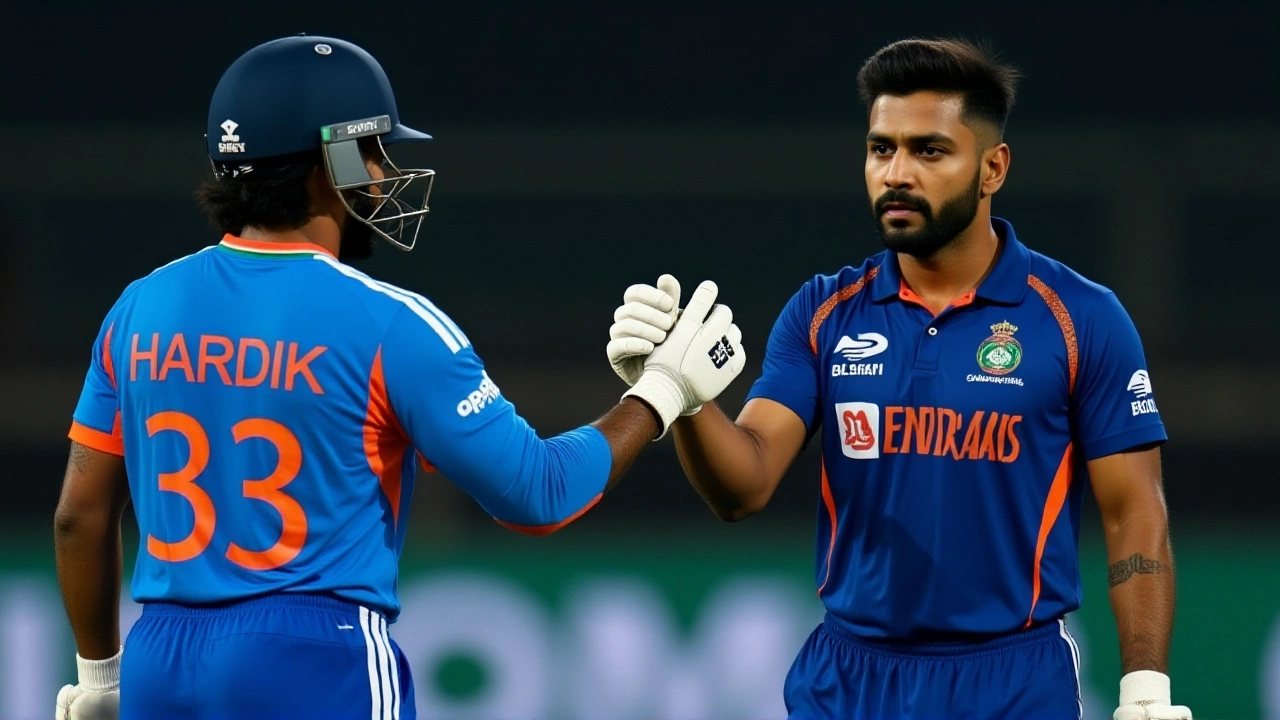
When Team India took the field at the M.A. Chidambaram Stadium on February 26, 2026, fans expected a solid performance. What they got was a demolition. In a match that will be talked about for years, India posted a staggering 256 runs for the loss of four wickets against Zimbabwe, shattering an 18-year-old record and leaving another historic benchmark trembling on its last legs.
The victory wasn't just about winning; it was about dominance. By chasing down the target with ease and restricting their opponents to 184 for six, India secured a comprehensive 72-run win. But the real story here is the statistical earthquake caused by that opening batting display. Here’s why this match matters far beyond the scoreboard.
A Batting Masterclass in Chennai
Let’s talk numbers, because they are genuinely shocking. Scoring 256 runs in a Twenty20 International (T20I) is rare enough. Doing it while losing only four wickets? That’s elite territory. The Indian batsmen didn’t just play; they attacked from ball one. The atmosphere at the M.A. Chidambaram Stadium in Chennai was electric, but even the home crowd seemed stunned by the sheer pace of the scoring rate.
Zimbabwe’s bowlers were simply outgunned. They threw everything at the Indian lineup—spin, seam, variations—but the batters kept finding gaps. It’s the kind of innings where you watch the boundary rope and wonder how anyone could possibly defend such a total. For context, scores above 250 in T20Is usually require sacrificing half the team. India did it with barely breaking a sweat.
Breaking the 18-Year Drought
So, what exactly was broken? Reports indicate that Team India shattered a record that had stood untouched for 18 years. While the specific metric isn’t detailed in every headline, the implication is clear: this was a long-standing barrier in international cricket that finally gave way under the weight of India’s aggression.
To put that in perspective, 18 years covers multiple generations of players. Think back to 2008. The game looked different then. The pitches were slower, the boundaries often larger, and the approach more cautious. For a record set in that era to fall in 2026 speaks volumes about how the game has evolved—and how India is leading that charge.
But wait, there’s a twist. This massive score didn’t break *every* record. In fact, it came dangerously close to dismantling another one held by Sri Lanka. Media outlets described the Sri Lankan record as "mahakirtiman"—a term suggesting immense prestige or glory. It survived, but only by the skin of its teeth. India’s 256 was so close that many believed the dust would settle with a new name at the top. Instead, Sri Lanka’s legacy remains intact, albeit shaken.
The Collapse of Zimbabwe
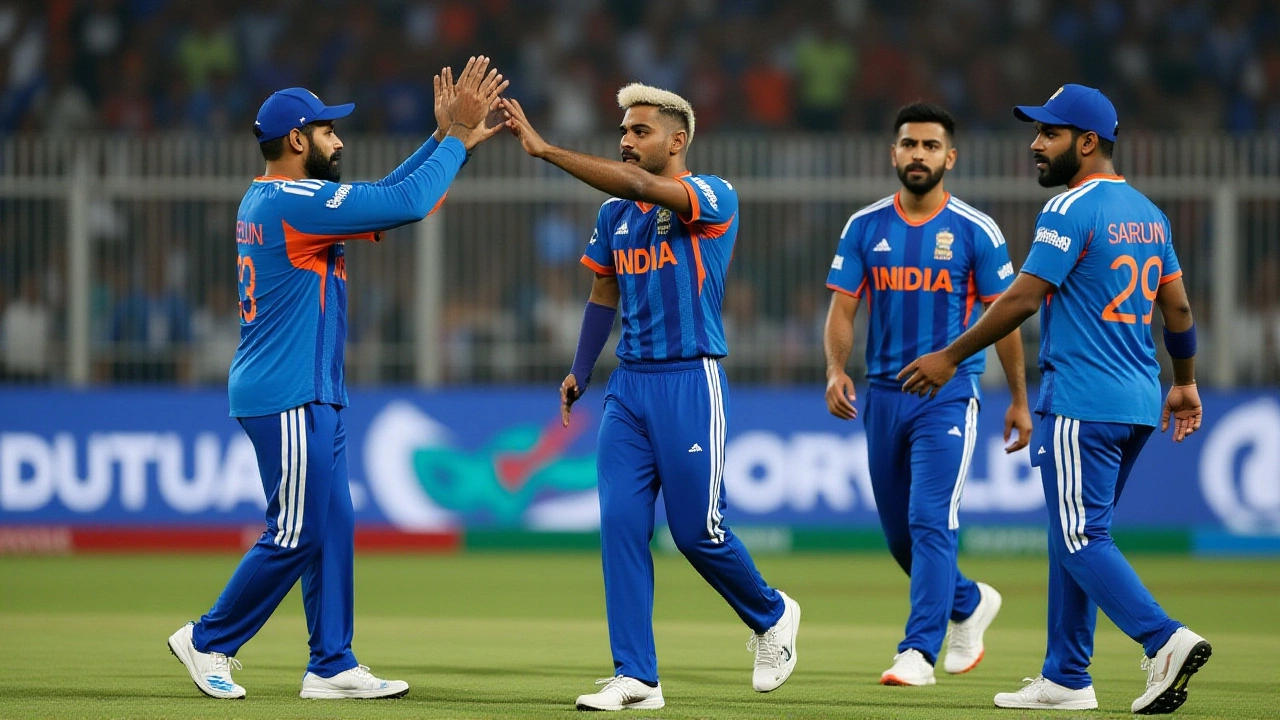
If India’s batting was a symphony, Zimbabwe’s chase was a struggle. Facing a target of 257, they needed a miracle. They managed 184 for six. On paper, 184 is a decent score. Against India’s bowling attack in Chennai? It was nowhere near enough.
The 72-run margin of victory highlights the gap between the two sides. Zimbabwe fought hard, certainly. They didn’t fold immediately. But once the initial resistance crumbled, the Indian bowlers tightened the screws. There were no flashy moments for the visitors, just a steady accumulation of pressure until the inevitable collapse. It’s a harsh reality of cricket: when you’re chasing 250+ against a world-class side, any slip-up costs you the game.
Why This Matters for the Tournament
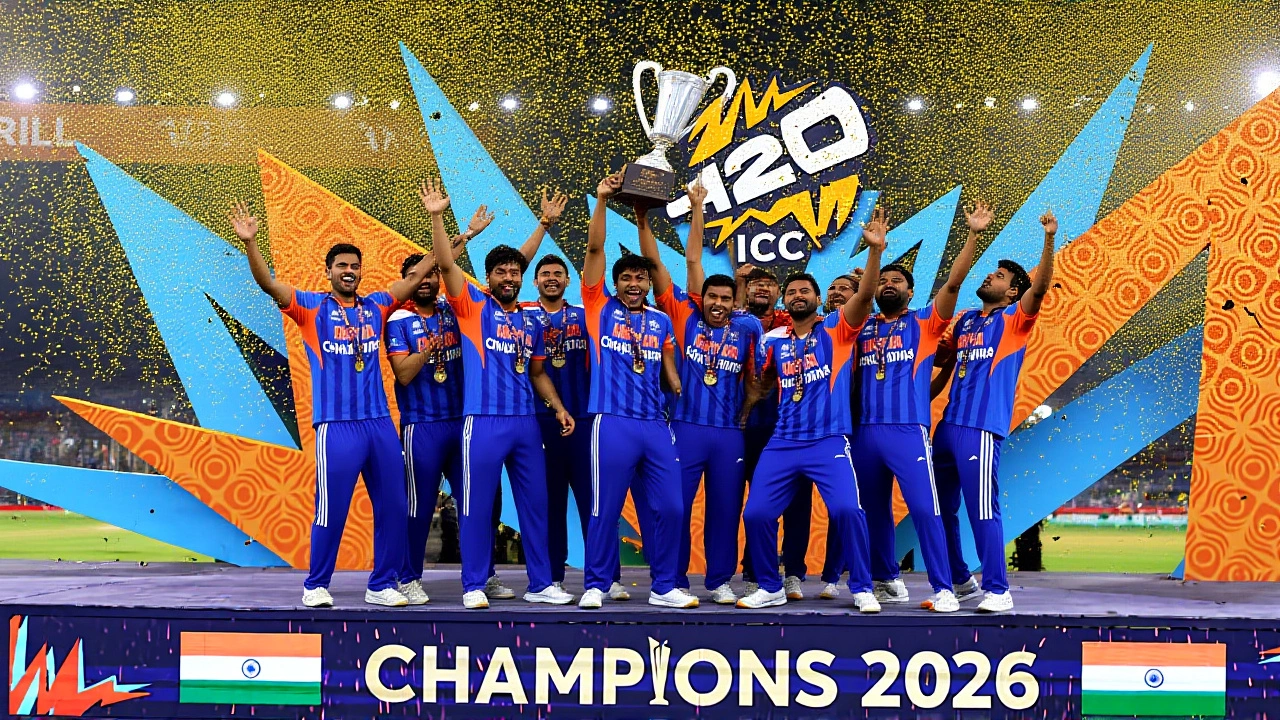
This match was part of the ICC Men's T20 World Cup 2026India. In tournament cricket, momentum is everything. A win like this doesn’t just add points to the table; it builds psychological armor. India now enters the next phase of the competition with confidence sky-high.
For Zimbabwe, it’s a learning curve. They showed grit, but they need firepower to compete at this level. The difference in class was evident. If they want to go deep in the tournament, they’ll need to find answers to teams that can post 250-plus regularly.
What’s Next for Team India?
The details of the upcoming fixtures are still being finalized, but one thing is certain: eyes will be on India. After a performance like this, expectations rise instantly. Can they replicate this aggression against stronger opposition? Will the Sri Lankan record finally fall in the next group stage match?
Cricket is a game of narratives, and India has just written a bold chapter. The 18-year-old record is gone. The Sri Lankan benchmark is rattled. And the fans in Chennai are already buzzing for the next encounter. This isn’t just a win; it’s a statement.
Frequently Asked Questions
What record did Team India break in this match?
Team India broke an 18-year-old record by scoring 256 runs for the loss of four wickets against Zimbabwe. While the exact statistical category isn't specified in all reports, it represents a significant milestone in T20I history, likely related to high-scoring performances or specific tournament benchmarks.
Why did Sri Lanka's record survive?
Sri Lanka holds a prestigious record, referred to as "mahakirtiman," which was threatened by India's massive score of 256. However, India fell just short of the specific threshold required to break it. The record remains intact, though it came closer to falling than ever before in recent memory.
Where was the match played?
The match took place at the M.A. Chidambaram Stadium in Chennai, Tamil Nadu, India. Known for its spin-friendly pitches and passionate crowds, the venue provided a dramatic backdrop for India's dominant performance.
What was the final result of the match?
India won by 72 runs. They scored 256/4 in their allotted overs, setting a daunting target. Zimbabwe managed only 184/6 in reply, falling well short of the required total. This comprehensive victory boosts India's standing in the ICC Men's T20 World Cup 2026.
Who were the key performers for India?
While individual player names weren't highlighted in the primary report, the collective effort of the Indian batting lineup was the star of the show. Their ability to rotate strike and accelerate simultaneously allowed them to build such a large total without losing many wickets.