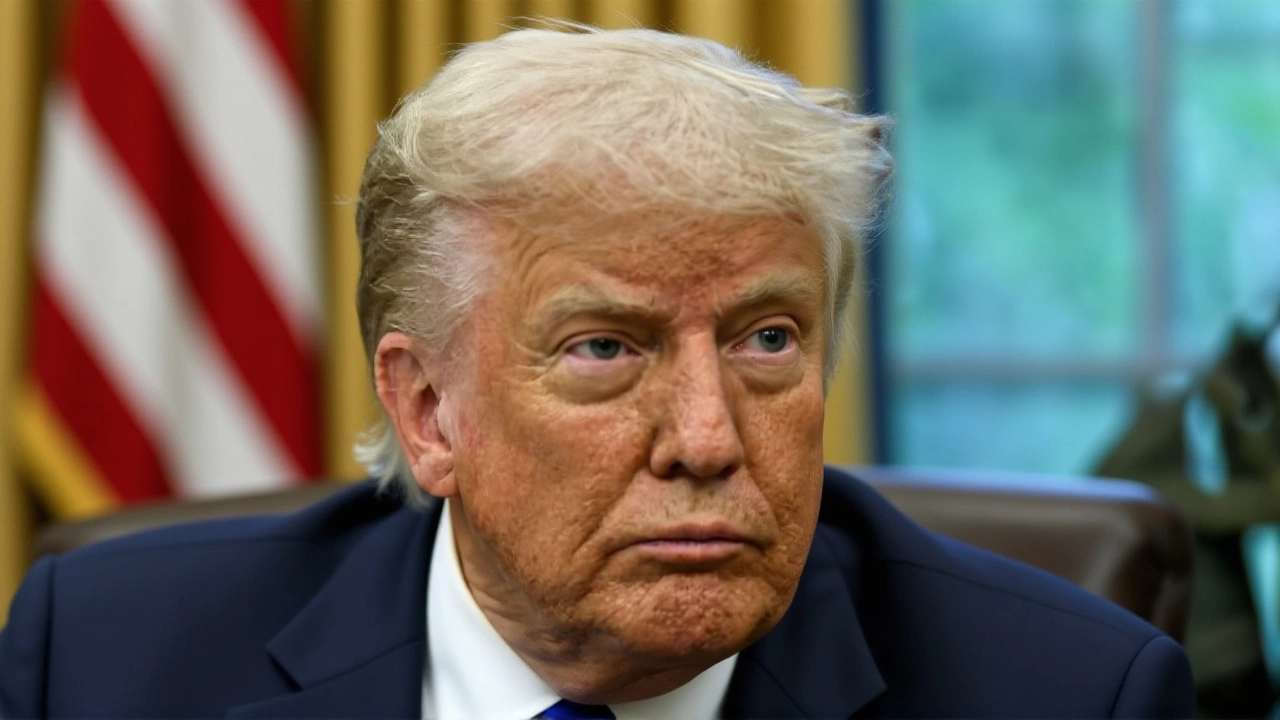
The diplomatic wires were ablaze on March 25, 2026. Donald J. Trump, the President of the United States, declared that a major breakthrough with Iran was imminent, claiming "productive" talks had nearly sealed a peace deal. But here’s the twist: Iran didn’t just disagree. They flat-out denied any negotiations were happening at all.
While Trump announced from the White House that an agreement was "largely discussed," Mohammad Bagher Ghalibaf, Speaker of the Parliament of Iran, called the claims "fake news." The disconnect wasn't just semantic; it involved high-stakes details like a 60-day ceasefire and the reopening of the strategic Strait of Hormuz. For global markets watching closely, the mixed signals triggered immediate volatility in oil prices and trading floors worldwide.
A Battle of Narratives
Here’s the thing about modern diplomacy: sometimes the story is told before the handshake. Trump stated in official communications that he had also held "very good" talks with Benjamin Netanyahu, Prime Minister of Israel, suggesting a unified front. He reportedly gave Tehran a five-day deadline to finalize terms, set to expire by the end of the trading week.
But wait. Within hours, the narrative fractured. Anonymous U.S. officials leaked to American media that Iran had agreed to surrender 440 kilograms of enriched uranium. It sounded definitive. Then, five hours later, the Atomic Energy Organization of Iran issued a formal rebuttal. Their message was stark: "There has been no agreement with America on uranium and never will be."
The contradiction left analysts scratching their heads. Was this a negotiating tactic? A miscommunication? Or something more sinister? As one observer noted, the line between truth and falsehood in this conflict is becoming increasingly blurred.
High Stakes and Personal Sacrifices
The intensity of the situation became personal for the President. Reports from CBS News confirmed that Trump canceled all scheduled holidays, including attendance at his son’s wedding. He abruptly cut short a weekend golf program at Mar-a-Lago in Palm Beach, Florida, rushing back to Washington D.C. The urgency suggested that whatever was happening behind closed doors—or perhaps not happening at all—was critical.
Trump took to social media to vent his frustration, posting a threatening image with the caption, "It's time to say goodbye to Iran," adding that "American embers will settle accounts with Iran." Such rhetoric rarely accompanies finalized deals. It usually precedes escalation.
The Mediator and the Missing Pieces
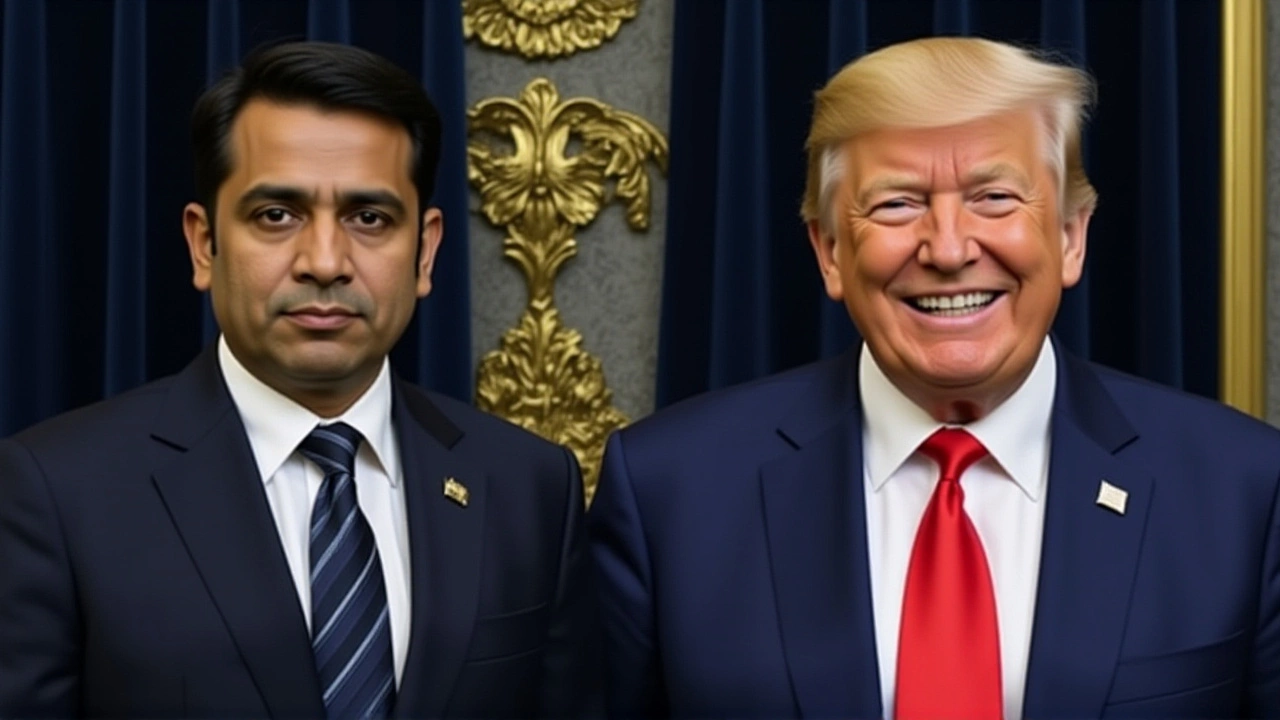
Amidst the chaos, a third party stepped into the fray. Field Marshal Asim Munir, Chief of Army Staff of Pakistan, was reportedly mediating between the two nations. Pakistan’s role adds a complex regional layer, given its historical ties to both powers. However, Iran’s subsequent announcement that it "will not make any nuclear agreement at any cost" seemed to complicate Munir’s efforts significantly.
White House spokesperson Anna Kelly tried to steady the ship, telling CBS News that Trump had "completely clarified his red line": Iran cannot have nuclear weapons and cannot keep enriched uranium. Yet, Iranian state agency Tasnim reported that disagreements on "two or three conditions" prevented the finalization of the Memorandum of Understanding (MoU) Trump claimed was nearly done.
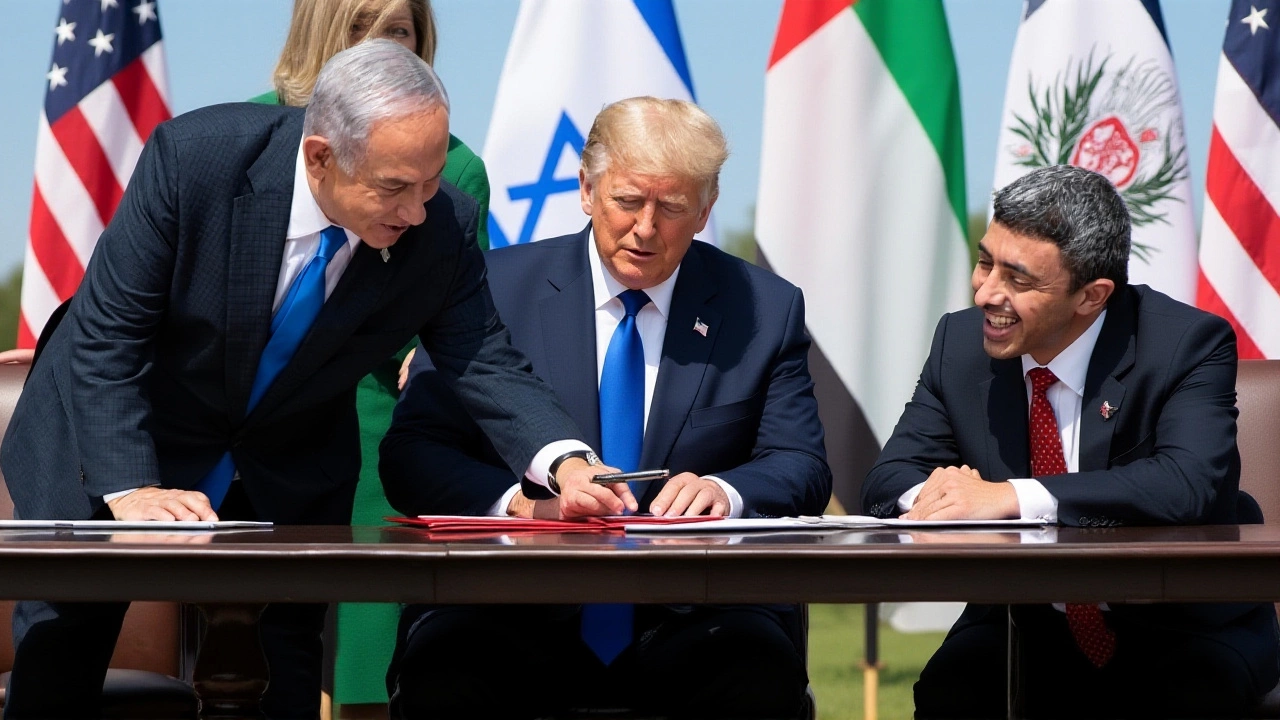
What This Means for Global Markets
The Strait of Hormuz is not just a geographic feature; it’s the world’s most important oil chokepoint. Reopening it fully would stabilize energy supplies, while keeping it tense keeps premiums high. With Trump announcing the strait "will be opened soon" and Iran denying any progress, traders are flying blind.
This isn't the first time we've seen this dance. Previous rounds of negotiations often ended in similar denials followed by sudden shifts in policy. But the stakes today are higher, with military preparedness ramped up across the Middle East. The U.S. maintains a strong naval presence, ready to act if diplomacy fails entirely.
Historical Context: Echoes of Past Deals
To understand why this matters, look back. The Joint Comprehensive Plan of Action (JCPOA) of 2015 saw similar cycles of optimism and denial. Back then, inspections and verification were key hurdles. Today, the focus is on enriched uranium levels and regional security guarantees. Iran’s leadership, particularly figures like Ghalibaf, who served as a commander in the Islamic Revolutionary Guard Corps, view nuclear capability as existential insurance. For Washington, it’s a non-negotiable threat to global security.
The current standoff mirrors earlier tensions where public posturing masked private deliberations. Sometimes, saying "no" publicly allows leaders to explore options privately without losing domestic support. Other times, it’s a genuine dead end. Only time will tell which scenario plays out here.
What’s Next?
Watch for the next 48 hours. If the MoU isn’t signed, expect further rhetorical escalation. Trump may impose new sanctions, or increase military drills in the region. Iran might accelerate enrichment activities in response. The 60-day ceasefire extension remains a ghost promise—mentioned but unconfirmed by Tehran.
Investors should brace for continued volatility. Oil prices could spike if the Strait of Hormuz remains uncertain. Meanwhile, diplomatic channels through Pakistan and other intermediaries remain open, though fragile. The world holds its breath, waiting to see if this is a prelude to peace or a precursor to conflict.
Frequently Asked Questions
Did Iran really deny all talks with the US?
Yes. Parliament Speaker Mohammad Bagher Ghalibaf explicitly stated there have been "no talks with America," dismissing President Trump’s claims as "fake news." This denial came within hours of U.S. reports suggesting a near-finalized agreement.
What is the significance of the 440kg of enriched uranium?
The 440 kilograms represents a specific quantity of enriched uranium that U.S. officials claimed Iran agreed to surrender. This material is critical because it can be used for civilian energy or weaponized. Iran’s refusal to acknowledge any agreement on this point highlights the core disagreement over nuclear capabilities.
How does the Strait of Hormuz factor into this deal?
The Strait of Hormuz is a vital waterway connecting the Persian Gulf to the Arabian Sea, through which a significant portion of the world’s oil supply passes. Trump claimed the deal included reopening the strait, which would ease shipping restrictions and lower global oil prices. Iran’s denial casts doubt on whether this logistical improvement will occur.
Why did Trump cancel his son’s wedding?
Trump canceled personal engagements, including his son’s wedding, to return to the White House amid the escalating diplomatic crisis. This move signaled the high priority he placed on resolving the Iran situation immediately, suggesting that the stakes were perceived as urgent enough to override family commitments.
Is Pakistan involved in these negotiations?
Yes. Field Marshal Asim Munir, Chief of Army Staff of Pakistan, was reportedly mediating between the U.S. and Iran. Pakistan’s involvement adds a regional dimension, leveraging its relationships with both parties to facilitate dialogue, although Iran’s hardline stance complicates these mediation efforts.