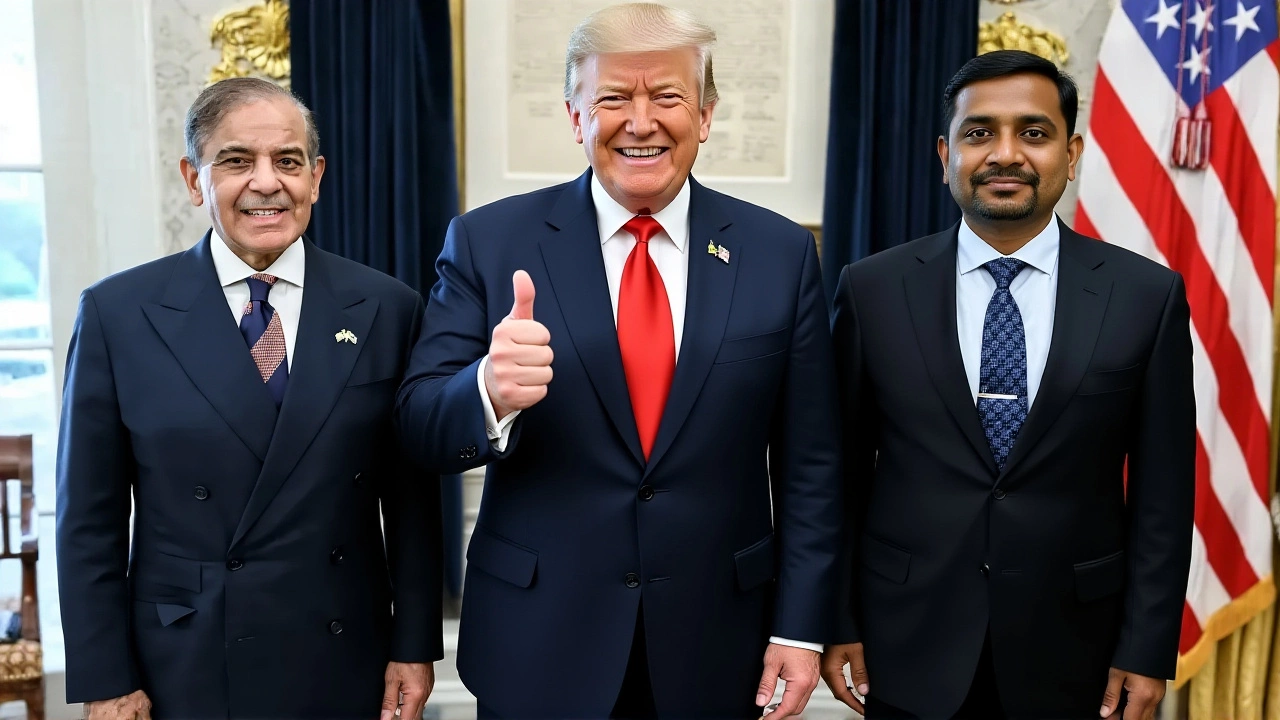
When Ishaq Dar, Deputy Prime Minister and Foreign Minister of Pakistan, publicly dismissed former U.S. President Donald Trump's 20-point peace proposal for Gaza on Friday, the diplomatic fallout was immediate. The core issue? Trump had asked Islamabad to establish relations with Israel. Dar’s response was blunt: it simply doesn’t apply to his country.
Here’s the thing about Middle East diplomacy—it rarely goes according to plan. While Washington pushes for broader normalization across the region, Pakistan has drawn a hard line in the sand. This isn't just a minor snub; it's a significant setback for Trump’s initiative to expand the Abraham Accords framework. Meanwhile, New Delhi is taking a completely different approach.
A Sharp Divide in South Asian Diplomacy
The contrast between neighbors could hardly be starker. While Pakistan rejected the overture, Narendra Modi, Prime Minister of India, threw his full weight behind the plan. On social media platform X, Modi called the signals regarding hostage releases a "big step" and pledged that India would "strongly support all efforts for sustainable and just peace."
It’s an interesting pivot for Indian foreign policy, which has traditionally been cautious but increasingly vocal on humanitarian grounds. For Pakistan, however, recognizing Israel remains a non-starter. Domestic politics and public sentiment make such a move politically toxic. As one observer noted, trying to force this normalization is like pushing a boulder uphill without any leverage.
The Iran Nuclear Shadow
But wait—this rejection didn’t happen in a vacuum. It coincides with high-stakes talks involving another regional power. Reports suggest that JD Vance, U.S. Secretary of State, traveled to Islamabad on Tuesday. The agenda wasn't just about Gaza; it was heavily focused on Iran.
Trump made his conditions clear to the *New York Post*: "The only condition is that Iran must completely abandon its nuclear program." If a deal emerges from these discussions, Trump might even visit Islamabad personally or join virtually. A Pakistani source claimed matters are progressing smoothly, but the stakes are incredibly high. This isn't just about ceasefires; it's about dismantling decades-old nuclear ambitions.

Trump’s Mediation Claims
There’s also some confusion surrounding Trump’s role in regional stability. He previously hinted at facilitating a ceasefire between India and Pakistan. Later, he clarified, "I am not saying that I did mediation. I helped in solving the problem," noting that rising hostility required intervention. Whether you call it mediation or problem-solving, the implication is that the U.S. sees itself as the ultimate arbiter in South Asian conflicts.
Turns out, local governments don’t always appreciate being told how to handle their bilateral issues. Pakistan’s refusal to engage with Israel highlights the limits of American influence when domestic political realities clash with external pressure.
Why This Matters Now
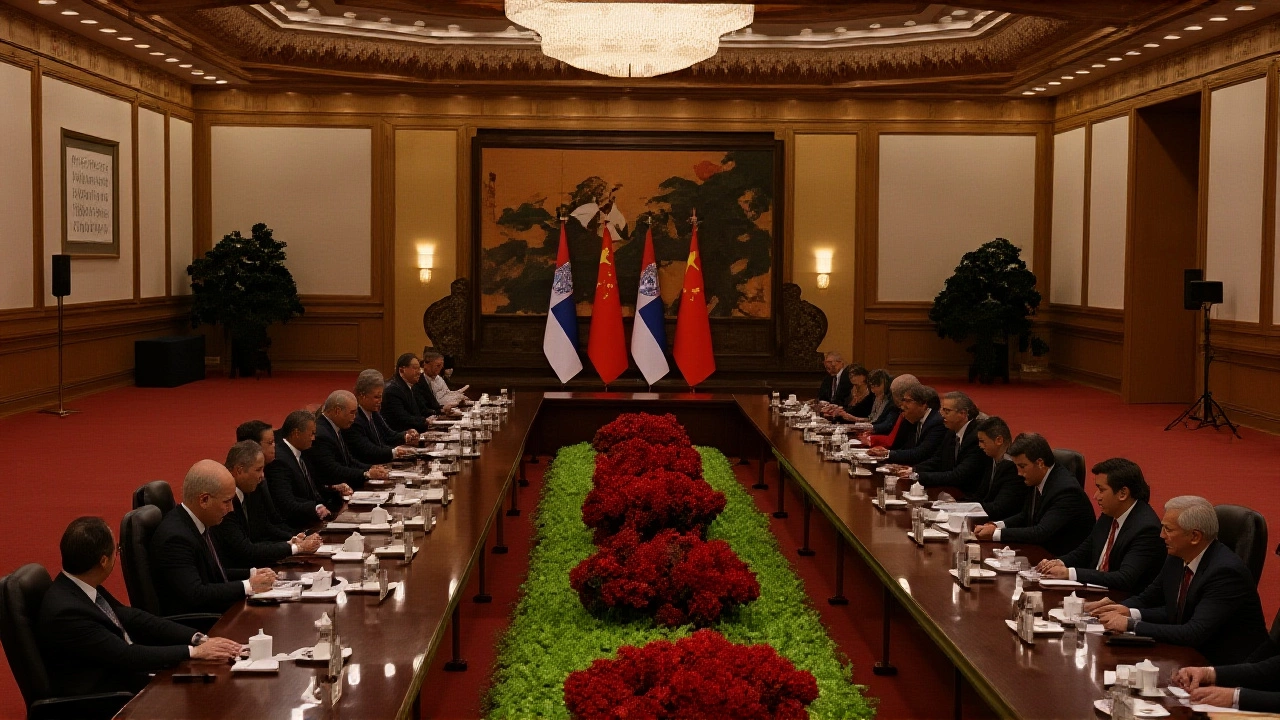
The geopolitical landscape is shifting rapidly. With Hamas welcoming parts of the plan while demanding more negotiations, the window for a quick resolution is narrowing. Pakistan’s stance ensures that the map of recognized states won’t change overnight. For Washington, it’s a reminder that military alliances don’t automatically translate into diplomatic alignment.
We’re watching a complex dance where every step has consequences. Will Vance’s trip yield results on Iran? How will Modi’s support play out on the ground? And what does Pakistan’s firm "no" mean for future U.S.-Pakistan relations? The details are still unclear, but one thing is certain: the status quo is under pressure.
Frequently Asked Questions
Why did Pakistan reject Trump's peace proposal?
Pakistan rejected the proposal primarily because it included a request to establish diplomatic relations with Israel. Foreign Minister Ishaq Dar stated that the terms do not apply to Pakistan, reflecting the country's longstanding policy of non-recognition due to domestic political and religious sentiments.
How did India respond to the same proposal?
In sharp contrast, Indian Prime Minister Narendra Modi strongly endorsed the plan. He praised the steps toward releasing hostages and declared on social media that India supports all efforts for sustainable and just peace, signaling a proactive diplomatic stance.
What is the connection between these talks and Iran?
U.S. Secretary of State JD Vance visited Pakistan amid ongoing negotiations concerning Iran's nuclear program. Trump emphasized that any deal requires Iran to completely abandon its nuclear capabilities, linking regional stability efforts directly to non-proliferation goals.
Did Trump claim credit for mediating between India and Pakistan?
Trump initially suggested he facilitated a ceasefire but later clarified he did not mediate. Instead, he stated he "helped in solving the problem" by addressing increasing hostility, positioning the U.S. as a key player in resolving South Asian tensions without formal mediation.